
Know What Your Commercial Roof Needs Before Problems Grow
DK Commercial Roofing provides commercial roof inspections in Orange County for property owners, facility managers, HOAs, businesses, and commercial buildings that need a clearer picture of roof condition. We evaluate visible roofing components, vulnerable details, drainage, penetrations, previous repairs, and developing issues so you can make a more informed next-step decision.
A Roof Inspection Helps Turn Questions Into Priorities
Commercial roofing problems are not always obvious from inside the building. Water can travel away from its entry point, small seam failures can develop before interior damage appears, and rooftop equipment or service traffic can create localized damage that goes unnoticed from the ground.
A commercial roofing inspection in Orange County helps property owners understand visible roof conditions before deciding whether the next step is commercial roof repair, commercial roof maintenance, restoration, or commercial roof replacement.
The goal is practical information: what appears serviceable, what deserves attention, which areas should be monitored, and which visible conditions may justify a more immediate roofing response.
Roof Details That Can Reveal Developing Problems
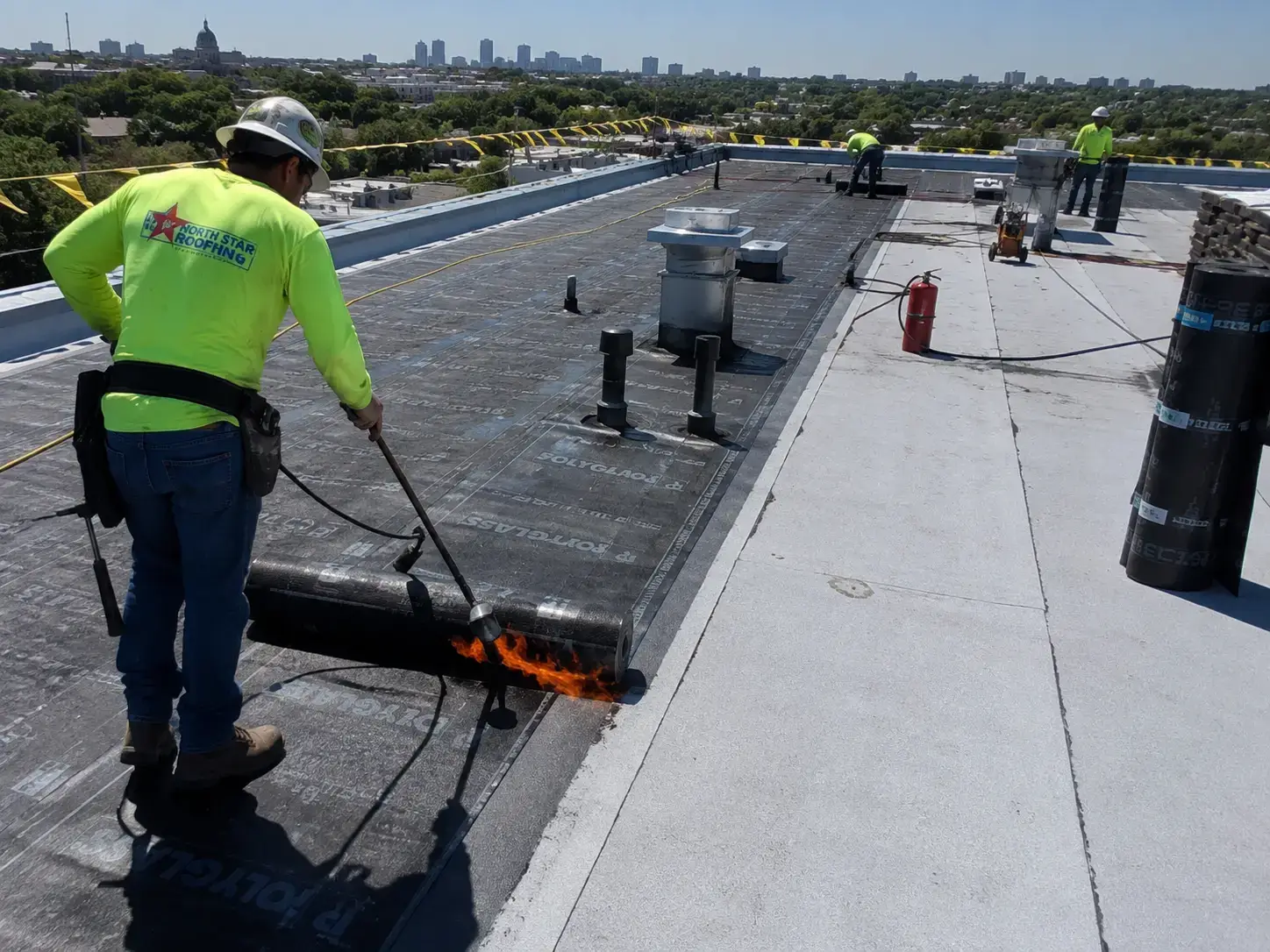
Commercial roofs have many potential failure points. A useful inspection considers both broad roof condition and the details where water intrusion commonly develops.
Roof Membrane
Visible deterioration, punctures, splits, wrinkles, surface wear, blistering, open areas, and general membrane condition.
Seams & Transitions
Heat-welded seams, laps, transitions, perimeter details, and areas where different roofing materials or surfaces meet.
Flashing
Walls, curbs, edges, equipment, penetrations, parapets, and other flashing details that help keep water outside the roofing assembly.
Drainage
Drains, scuppers, gutters, water-flow paths, debris accumulation, ponding areas, and visible drainage concerns.
Penetrations
Pipes, vents, supports, conduits, HVAC components, solar-related equipment, and other openings through the roof system.
Skylights & Curbs
Skylight curbs, seals, flashing, surrounding membrane, transitions, and visible signs of aging or water intrusion.
Previous Repairs
Older patches and repair areas that may have deteriorated, moved, separated, or become recurring trouble spots.
Rooftop Traffic
Wear around access points, equipment, service paths, HVAC areas, solar equipment, and locations used regularly by rooftop contractors.
Inspections Support Better Roofing Decisions
A commercial roof inspection can be useful even when there is no active interior leak. Property owners may want a condition review before budgeting, before a property transaction, after repeated repair history, before installing solar equipment, or when an aging roof is approaching a larger maintenance decision.
The inspection itself does not automatically mean the roof needs replacement. In many cases, the right next step may be targeted roof repair, ongoing preventative maintenance, or evaluation for a commercial cool roof or seamless roofing system.
Catch Issues Earlier
Visible deficiencies may be easier to manage before they become widespread leaks, interior damage, or larger repair scopes.
Budget More Clearly
Understanding roof condition can help owners prioritize immediate needs separately from future maintenance or replacement planning.
Review Known Trouble Spots
Recurring leak areas and previous repairs can be revisited to see whether those locations remain vulnerable.
Plan Future Roof Work
Inspection findings can help guide decisions before solar, skylight work, restoration, installation, or replacement projects.
Look Closely at the Areas That Actually Fail
A Practical Roof Condition Review
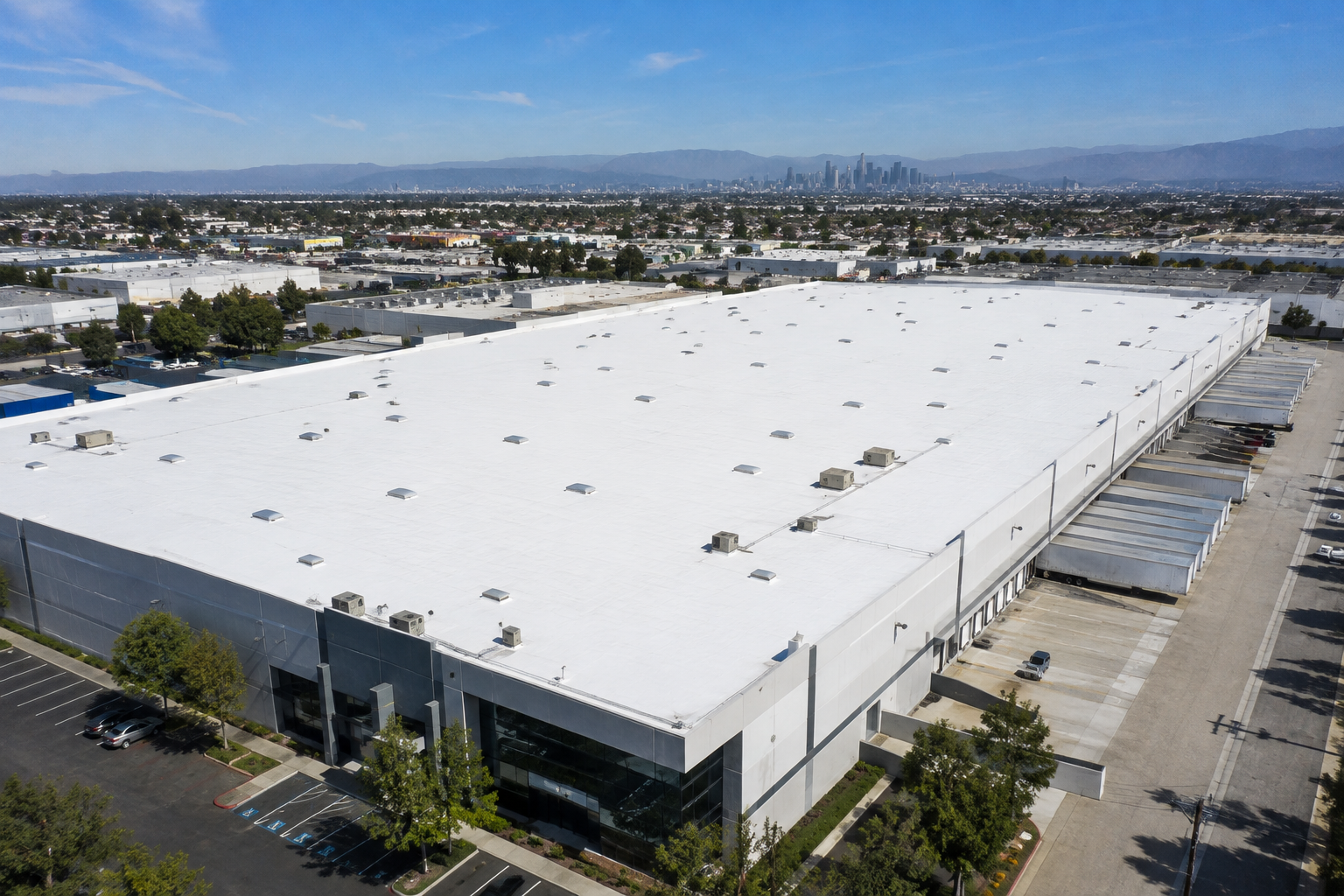
The goal is to move from “something may be wrong” to a clearer understanding of visible roof conditions and practical next steps.
Discuss the Roof
Review known leaks, approximate age, roofing material, previous repairs, property use, and current concerns.
Review Roof Areas
Evaluate visible roof surfaces, seams, flashing, drains, penetrations, equipment, skylights, and prior repair locations.
Identify Concerns
Separate obvious deficiencies from developing conditions and areas that may simply need ongoing monitoring.
Prioritize Next Steps
Determine whether the visible condition suggests repair, maintenance, restoration evaluation, replacement planning, or continued observation.
Plan the Roof
Use the inspection findings to guide the property’s immediate roofing response and longer-term maintenance strategy.
Roof Inspections for Working Buildings
Roof inspection priorities can change depending on the property, occupants, roof size, equipment, access, drainage, and consequences of a leak.
Warehouses
Large low-slope roof areas with inventory, drains, equipment, penetrations, service traffic, and loading operations below.
Office Buildings
Occupied commercial roofs where tenant spaces, interiors, HVAC equipment, and disruption from leaks can matter significantly.
Retail Centers
Inspection around tenant spaces, storefronts, equipment, drains, customer areas, and active commercial operations.
Industrial Facilities
Large roof systems with equipment, penetrations, exhaust areas, service traffic, and active operational requirements.
Apartments & HOAs
Multifamily roof inspections where residents, management, shared roof areas, recurring leaks, and phased repairs may matter.
Churches
Roof condition reviews for sanctuaries, offices, classrooms, fellowship spaces, and multi-building properties.
Schools
Commercial roofing inspections around classrooms, offices, gyms, cafeterias, rooftop equipment, and active campuses.
Mixed-Use Properties
Roof inspections for buildings serving multiple tenants, uses, rooftop systems, access needs, and maintenance priorities.
Inspection Findings Should Lead to a Useful Next Step
Not every inspection ends with the same recommendation. The roof condition should drive the next decision.
Repair What Is Localized
If the roof is generally serviceable but has specific deficiencies, commercial roof repair may address seams, flashing, punctures, penetrations, drains, or other isolated problem areas.
Maintain What Is Serviceable
If the roof remains functional, commercial roof maintenance may help owners monitor vulnerable areas and address developing issues before they become more disruptive.
Plan for a Larger Roofing Project
Widespread deterioration may justify evaluating commercial roof replacement, while certain projects may involve commercial roof installation or restoration options.
Commercial Roof Inspections Across Orange County
DK Commercial Roofing provides commercial roof condition reviews throughout Orange County for property owners who want a clearer understanding of visible roof conditions, recurring leak areas, previous repairs, maintenance priorities, or future roofing decisions.
For location-specific commercial roofing information, visit our Anaheim commercial roofing and Irvine commercial roofing pages.
Related Orange County Roofing Services
A commercial roof inspection can help clarify whether the property needs repair, maintenance, restoration, replacement, installation, or another roofing service.
Questions About Commercial Roof Inspections?
A roof inspection is designed to help owners understand visible conditions and make a more informed roofing decision.